
Many people have experienced skin irritation or itching caused by jewelry containing nickel. This often raises the question: What happens when a dental implant or dental prosthesis is being made?
The good news is that the materials used in modern dentistry are highly biocompatible, and allergic reactions are very rare. Nevertheless, it is advisable to take any known allergies into account when planning dental implants or dental restorations.
Metals in Dentistry
In dentistry, we use various metal alloys, which may contain, for example, nickel, cobalt, chromium, palladium, gold, and titanium.
Of these, nickel is the most common allergen, affecting approximately 10–20% of the population, particularly women. Allergies to cobalt and chromium are less common but are also known to occur.
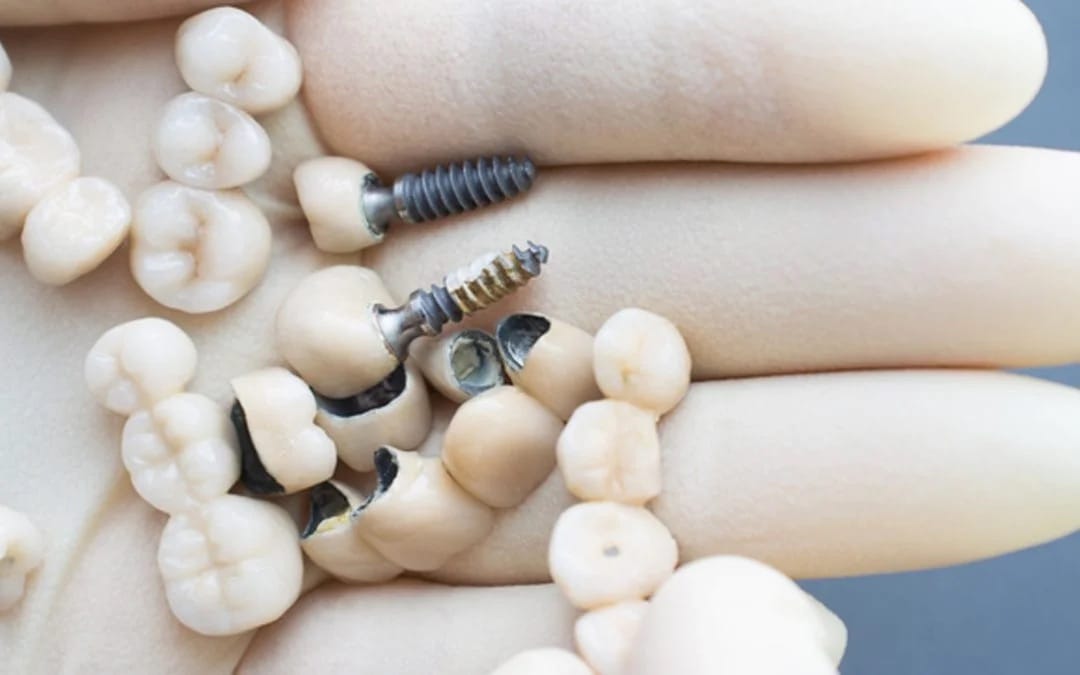
What symptoms might indicate a metal allergy?⚠️
Symptoms that may occur in the oral cavity include, for example: a burning or stinging sensation, mucosal irritation, ulcers, gingivitis, and „healing“ of the connective tissue around an implant“
Symptoms not related to the mouth are very rare, but not unheard of. These may include, for example, itching, skin rashes, and, in extreme cases, an anaphylactic reaction
If you have ever had an allergic reaction to jewelry or metal objects, you should definitely mention this in advance. If necessary, an allergy test can help you choose the right material.
Can a titanium implant cause an allergic reaction?
For several decades, titanium has been the gold standard for dental implants because the body tolerates it extremely well.
One of titanium’s unique properties is that, upon contact with air or tissue, a stable layer of titanium oxide immediately forms on its surface. This microscopic layer is chemically stable and biologically inert, and it isolates the raw metal from the body. In other words, the body actually comes into contact not with the titanium itself, but with the titanium oxide surface.
According to statistics, an allergy to titanium occurs in about 1% of cases, while an allergic reaction to titanium oxide is even rarer, occurring in less than 0.6% of cases.
Based on clinical experience and scientific data, titanium allergy is an extremely rare occurrence. It is much more common for other factors—such as inflammation, overloading, or poor oral hygiene—to cause symptoms around the implant.
If someone does have a confirmed metal allergy or sensitivity, there is also a completely metal-free alternative: the zirconium implant.
One of the pioneers in metal-free implants is the Nobel Biocare Pearl implant, a high-strength, ceramic-based implant. In this system, both the abutment and the screw are metal-free, making it a complete solution for patients with allergies. In contrast, at Straumann—one of the major competitors—both the screw and the abutment are made of metal!
Our clinic has been offering metal-free implant solutions for several years, and since 2008, our dental restorations have been made almost exclusively from zirconia.

It's not just the implant that contains metal
For patients with metal allergies, there are now numerous completely metal-free dental restoration options available, such as zirconia, lithium disilicate, and feldspar ceramics.
All of these are available at our clinic, so we can always choose the material that best suits the specific clinical situation.
These materials are not only biocompatible, but also provide outstanding aesthetic results.
It is important to note that, in cases of severe metal allergy, certain ceramic stains used to stain ceramic restorations may also contain metals or metal salts. Their allergenic effects are extremely rare, but not entirely unknown.
It's not an allergy: galvanism⚡
When discussing this topic, it is important to mention the phenomenon of galvanism, because its symptoms resemble those of a metal allergy and are also triggered by the introduction of a new metal into the mouth.
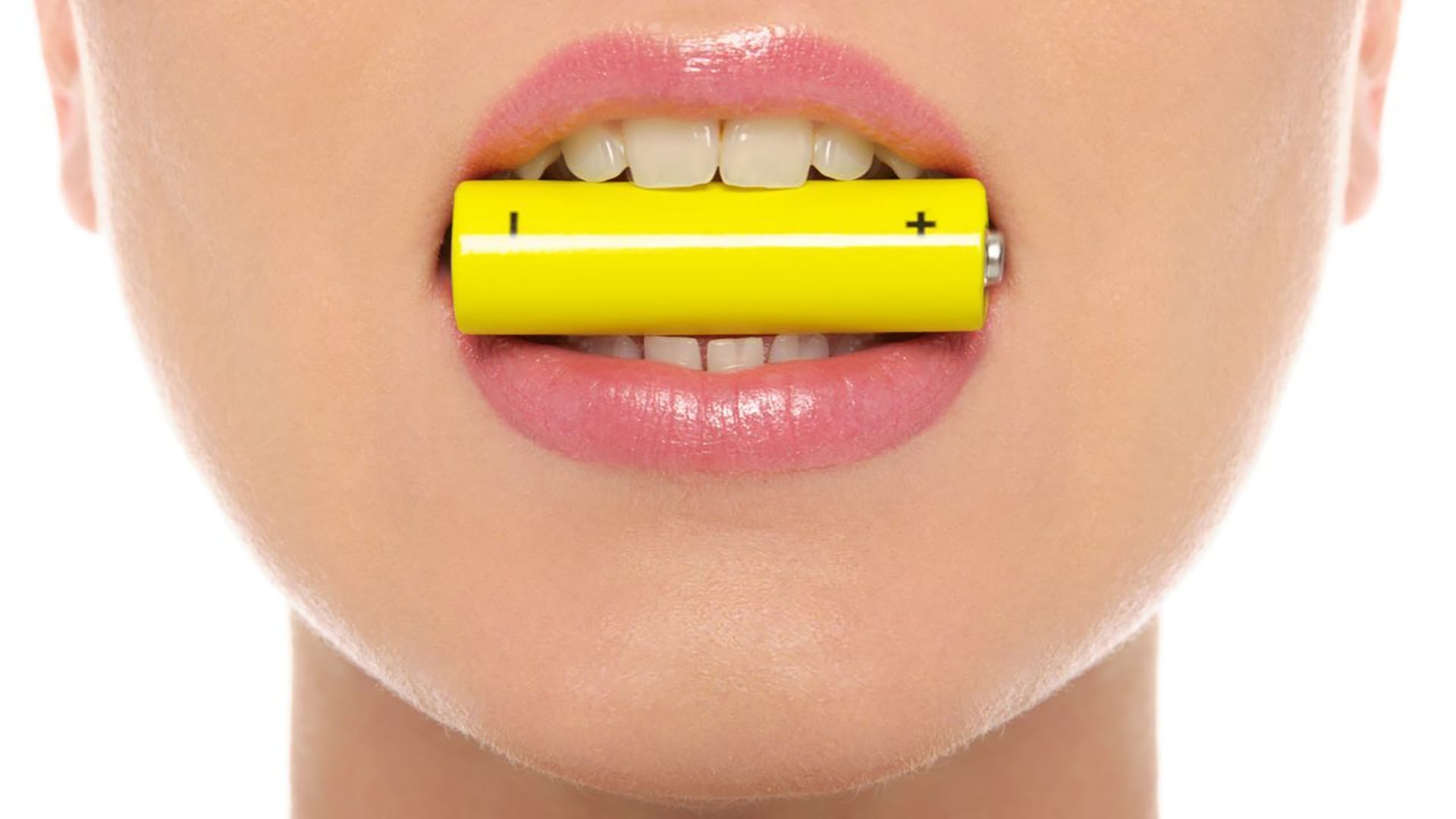
Galvanism can occur when there are at least two different metals in the mouth—for example: an old metal crown, an amalgam filling, a gold inlay, an implant, or a metal piercing.
An electrochemical reaction may occur between different metals, resulting in a small potential difference.
Galvanism is not an immunological allergy, but a purely physical phenomenon. It works like a battery: two different metals in a conductive solution (saliva).
Symptoms may include: a metallic taste, a burning or stinging sensation, irritation of the mucous membranes, or a mild „electric shock“ sensation.
In such cases, the problem can usually be resolved by replacing the different metals or using metal-free alternatives.
How Can Dental Metal Allergies Be Treated? ️
Prevention is the most important thing.
If an allergy is suspected, it must be investigated before treatment begins, and the treatment plan must be designed with this in mind.
If symptoms do appear, the first step is to remove the metal causing the reaction in order to prevent more severe symptoms from developing.
After that, it is advisable to replace the replacement part with a metal-free solution.